Oregon Grape Root: Traditional Use, Berberine Content, and Its Role in Microbial Balance
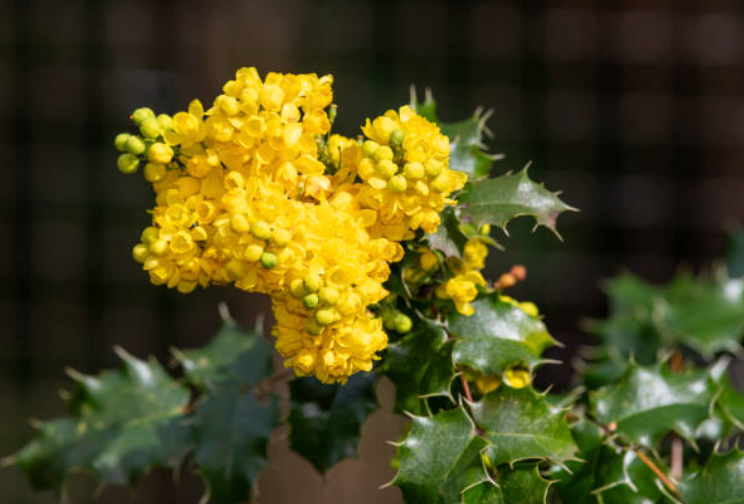
Oregon grape root (Mahonia aquifolium), also formally referred to as Berberis aquifolium is a native understory shrub found throughout the Pacific Northwest. Recognizable by its holly-like leaves, bright yellow flowers, and deep blue berries, it has been used for generations not only for its resilience in the ecosystem, but for its practical applications in traditional herbal practices.
For thousands of years, Indigenous communities used Oregon grape root for a variety of purposes, including digestive support, skin conditions, and as a natural dye. The root itself — bright yellow beneath the soil — contains the compound that gives this plant much of its functional value: Berberine. While the berries are edible, the root has remained the most widely used part of the plant due to its concentration of active compounds.

What Makes Oregon Grape Root Unique
Oregon grape root stands out primarily because of its high berberine content, a naturally occurring alkaloid that has been widely studied for its effects on microbial balance, inflammation, and metabolic function. Berberine is not exclusive to Oregon grape — it is also found in plants like goldenseal and barberry — but Oregon grape has become an increasingly important alternative due to sustainability concerns around other species. This compound is what links Oregon grape root to many of its traditionally observed benefits, particularly in the gut, skin, and liver.
Berberine and Microbial Balance (Including Biofilms)
Berberine has been studied for its ability to influence microbial environments across multiple pathways rather than acting through a single mechanism. It affects microbial growth, reduces the ability of organisms to adhere to surfaces (a key first step in biofilm development), interferes with communication between microorganisms (known as quorum sensing), and influences gene expression related to biofilm structure and stability — all of which play a role in biofilm formation and growth.
Because of this, berberine-containing plants, including Oregon grape root, are often used in protocols designed to support biofilm disruption and microbial balance, particularly when combined with compounds that target the structural matrix itself (such as those in cloves, garlic, and ginger)
Digestive and Gut Support
Traditionally, Oregon grape root has been used as a bitter herb, meaning it stimulates digestive processes through its interaction with taste receptors and the nervous system.
This can support:
- bile flow
- digestive enzyme activity
- and overall digestive efficiency
Because of its berberine content, it has also traditionally been used to support microbial balance within the gut, particularly in cases involving bloating, irregular digestion, and microbial overgrowth. This dual role — supporting digestion while also influencing the gut environment — is part of what makes Oregon grape root such a valuable herb in gut-focused herbal protocols, including our Complete Parasite Detox Kit designed to support digestion, detoxification, and microbial balance.
Liver Support and Detoxification
Oregon grape root has long been associated with liver support, particularly through its role in promoting bile production. Bile plays an important role in:
- breaking down fats
- carrying waste products out of the body
- and supporting detoxification pathways
By supporting bile flow, Oregon grape root indirectly supports the body’s ability to process and eliminate microbial byproducts, which becomes especially important in the context of biofilm disruption. This is one of the key reasons it is often included in formulations designed to support both gut and liver function simultaneously.
Skin and Inflammatory Conditions
Oregon grape root has also been studied for its effects on skin conditions, particularly those involving inflammation. Clinical studies using topical Oregon grape root extract have shown improvement in conditions such as psoriasis, with a significant percentage of participants experiencing reduced symptoms after consistent use. It has also been used in conditions such as eczema to help reduce inflammation and relieve itching, as well as in acne, where its antimicrobial properties help address acne-causing bacteria while calming inflamed breakouts. More broadly, it has been applied to irritated or reactive skin to soothe redness and discomfort, and has even been used topically in certain fungal infections like athlete's foot.
Metabolic Health
In addition to its role in microbial balance, berberine has also been studied for its effects on metabolism, cardiovascular health, and blood sugar regulation. One of the primary ways berberine works is by activating an enzyme called AMPK (adenosine monophosphate-activated protein kinase), which plays a central role in energy balance. Activation of AMPK is associated with increased fat metabolism, reduced fat storage, and improved overall metabolic function. Research has shown that berberine may support:
- reductions in body weight, BMI, and waist circumference in certain populations
- improved insulin sensitivity and lower fasting blood glucose levels
- more balanced cholesterol levels, including reductions in triglycerides and LDL cholesterol
Some studies have also compared berberine to commonly used medications for blood sugar and cholesterol management, with findings suggesting similar effects in certain markers. However, results can vary, and the overall evidence is still developing. Because of these effects, berberine-containing plants like Oregon grape root are often used in protocols that aim to support not only gut and microbial balance, but also broader metabolic function.
Antimicrobial and Resistance Considerations
One of the more unique aspects of berberine is its interaction with microbial resistance mechanisms. Studies suggest that compounds found in Oregon grape root may:
- inhibit multidrug resistance (MDR) pumps
- increase microbial sensitivity to other compounds
- and reduce the ability of certain bacteria to persist
This makes it particularly relevant in layered approaches, where multiple compounds are used together rather than relying on a single agent.
How Oregon Grape Fits into a Broader Strategy
Oregon grape root is rarely used alone. Its role is typically part of a broader approach that includes:
- compounds that support biofilm structure breakdown
- antimicrobial herbs or agents
- dietary support
- and detoxification pathways
Within this context, Oregon grape root provides a key function — supporting microbial balance while also interacting with the environment those microbes exist within and supporting detoxification through liver support.
If you’re interested in exploring Oregon grape root as part of a more comprehensive herbal approach to gut cleansing and microbial balance, we incorporate it into our Complete Parasite Detox Kit alongside a full herbal protocol designed to support digestion, detoxification, and microbial balance.
Historical & Traditional Use of Oregon Grape Root
Oregon grape has been used for centuries throughout the Pacific Northwest as both a traditional medicine and food source. Long before the rise of pharmaceutical medicine Indigenous communities, including the Chinook and Kalapuya peoples, historically prepared teas, decoctions, and poultices from the plant’s bright yellow roots and inner bark to support digestion, skin health, inflammation, and assist the body during periods of illness or infection. Oregon grape root was also widely regarded as a traditional bitter tonic, often used to stimulate digestion, encourage healthy bile flow, and support overall vitality.
The plant’s roots and bark contain naturally occurring alkaloids, most notably berberine, which gives Oregon grape its characteristic golden-yellow color. Today, berberine is recognized for its antimicrobial, antifungal, and anti-inflammatory properties, helping explain why Oregon grape became such a valued botanical in traditional herbal systems.
Beyond its medicinal applications, Oregon grape also served several practical roles in Indigenous life. The tart dark-purple berries were eaten fresh in small quantities or combined with sweeter berries such as salal to create preserves and nutrient-dense cakes. The intensely yellow inner bark and roots were also boiled down to produce a vibrant natural dye traditionally used for baskets, textiles, wool, and porcupine quills.
By the 19th century, Oregon grape root had also been adopted by early settlers and Eclectic physicians as a sustainable alternative to goldenseal in traditional herbal medicine. In 1899, Oregon grape was officially named the state flower of Oregon, where it remains a symbol of the Pacific Northwest today.
Considerations and Interactions
While Oregon grape root is widely used in herbal practice, it is important to recognize that berberine can interact with certain metabolic pathways in the body. Some research suggests that it may influence liver enzymes involved in drug metabolism, which can alter how certain medications are processed. Because of this, it is important to consider context and individual use, particularly when combining with medications.
Sustainability and Overharvesting Considerations
As demand for Oregon grape root has grown, so has concern around how it is being harvested. Because of its high berberine content, Oregon grape has become a popular alternative to plants like goldenseal, which has faced significant overharvesting. This shift has increased pressure on wild Oregon grape populations, particularly in the western United States, where it grows natively.
In some areas, overharvesting and illegal collection have contributed to noticeable population decline, leading to its inclusion on watch lists such as those maintained by United Plant Savers. Unlike leaves or berries, harvesting the root can damage or kill the plant if done improperly. This makes harvesting practices especially important. Sustainable harvesting focuses on:
- taking only portions of the root rather than the entire plant
- harvesting from abundant populations, not isolated stands
- leaving younger plants to mature
- and ensuring the plant can regenerate over time
Ethical sourcing also includes avoiding areas exposed to pollution or pesticides and respecting land use regulations and permits. As interest in herbal medicine continues to grow, the responsibility to source plants thoughtfully becomes part of the practice itself. Supporting sustainably harvested or cultivated Oregon grape helps ensure that this plant remains available for future generations.
Frequently Asked Questions About Oregon Grape Root
What is Oregon grape root used for?
It is traditionally used to support digestion, skin health, detoxification, and microbial balance, largely due to its berberine content.
Does Oregon grape root contain berberine?
Yes. The root is a rich source of berberine, which contributes to many of its functional properties.
Who might benefit from Oregon grape root?
It is traditionally used to support digestion, liver function, skin health, and microbial balance, with additional interest in metabolic support due to its berberine content.
How does Oregon grape root support biofilm disruption?
Berberine has been shown to influence microbial adhesion, communication, and growth, which are all involved in biofilm formation.
Is Oregon grape root good for the liver?
It has traditionally been used to support liver function by promoting bile flow, which plays a role in digestion and detoxification.
How long does it take for Oregon grape root to work?
Effects can vary depending on the individual and how it is used. In studies on berberine, changes are often observed over several weeks of consistent use.
Can Oregon grape root be used long term?
Use varies depending on the individual and the context. Some approaches use it in cycles rather than continuous long-term use.
Are there any precautions?
Because it can interact with liver enzymes, it may affect how certain medications are processed. Context and proper use are important.
Sources
- National Park Service. Oregon Grape: Botany and Traditional Uses
- Janeczek M., et al. Efficacy and Safety of Mahonia aquifolium in Psoriasis and Atopic Dermatitis
-
Dattner A.M. From Medical Herbalism to Phytotherapy in Dermatology: The Role of Oregon Grape in Acne and Skin Conditions
- Zhang L. Berberine and Its Effects on Microbial Balance and Inflammation
- Frontiers in Cellular and Infection Microbiology. Berberine and Biofilm Interaction Mechanisms
- Xu X., Yi H., Wu J., et al. Therapeutic Effect of Berberine on Metabolic Diseases: Both Pharmacological Data and Clinical Evidence
Read more

Once biofilms are established, they are not easily influenced by a single approach. Their structure is designed to protect and stabilize microbial communities, which is why supporting balance often...

For most of human history, the beginning of the year was marked by the return of light, the thawing of the earth, and the visible reawakening of life. This transition point — what we now call the s...
Leave a comment
This site is protected by hCaptcha and the hCaptcha Privacy Policy and Terms of Service apply.