
Why Spring Is the Real New Year
For most of human history, the beginning of the year was marked by the return of light, the thawing of the earth, and the visible reawakening of life. This transition point — what we now call the spring equinox — represented balance between day and night, followed by a steady increase in light, warmth, and growth.
In this way, spring was not just another season. It was the true beginning. Across cultures, this timing was reflected in how people lived. Early agricultural societies planted crops in spring, not January. Ancient calendars, including the original Roman calendar, began in March. Many traditions around the world — including Persian New Year (Nowruz) and various South Asian new year celebrations — still honor this seasonal reset.
Even astrologically, the cycle begins here. The sun enters Aries at the spring equinox, marking the first sign of the zodiac and the start of a new energetic cycle. Aries represents initiation, action, and new beginnings, further reinforcing the idea that spring is the natural starting point of the yearly cycle. But beyond tradition, this timing reflects something more intuitive:
spring is when energy naturally rises.
After winter — a season of rest, conservation, and inward focus — the body begins to shift. There is more light, more movement, and a natural pull toward action, creation, and renewal. What was dormant begins to surface.
Trying to force change in the middle of winter often feels difficult for a reason. The environment, and the body, are not aligned with that momentum. Spring, on the other hand, offers it naturally.
When you begin to work with this shift instead of against it, routines feel easier to maintain, energy becomes more stable, and the desire to reset, clear, and move forward feels intuitive rather than forced.
This is why many traditional systems including Ayurveda, Traditional Chinese Medicine, and Indigenous practices treat spring as a time of clearing, movement, and new beginnings.
Not as a resolution.
But as a return.
And when you start to see spring in this way, the question becomes less about what you should change and more about how you can begin to move with the season itself, allowing your habits, routines, and daily rhythms to reflect the same sense of renewal happening in nature.
This is where the way you structure your day, your meals, your movement, and even your pace of life begins to matter —Learn how aligning your routine with the season is what allows that shift to fully take hold.
Read more
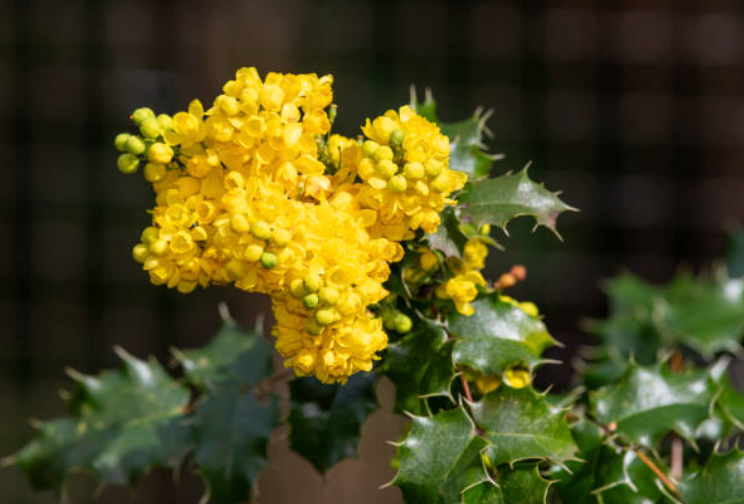
Oregon grape root (Mahonia aquifolium), also formally referred to as Berberis aquifolium is a native understory shrub found throughout the Pacific Northwest. Recognizable by its holly-like leaves, ...
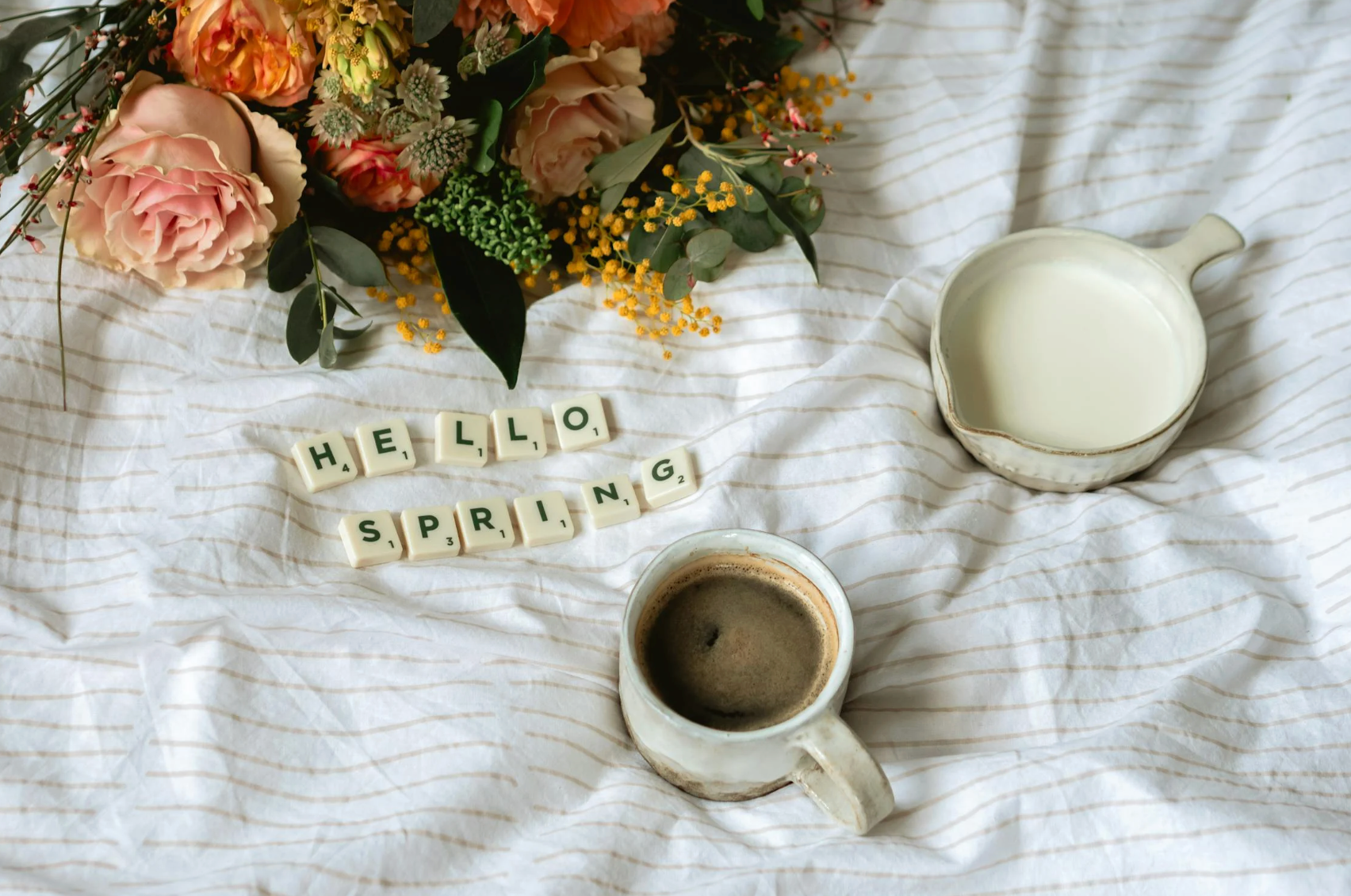
Before modern convenience shaped our routines, life moved in rhythm with nature. Food, movement, rest, and even emotional patterns shifted with the seasons. Healing systems across cultures were bui...
Leave a comment
This site is protected by hCaptcha and the hCaptcha Privacy Policy and Terms of Service apply.