
Natural Ways to Support Biofilm Disruption (Herbs, Compounds, Diet, and Strategy)
Once biofilms are established, they are not easily influenced by a single approach. Their structure is designed to protect and stabilize microbial communities, which is why supporting balance often requires working on multiple levels at once.
Natural biofilm disruption focuses on two main actions: breaking down the protective matrix and interfering with how microorganisms communicate and organize themselves. These processes are often referred to as matrix disruption and quorum sensing inhibition, both of which have been studied in relation to biofilm behavior.
Rather than relying on a single compound, a more effective approach combines targeted substances, dietary support, and strategic implementation over time.
Key Compounds That Support Biofilm Disruption
Certain compounds have been studied for their ability to weaken biofilm structure or prevent microbial adhesion. These do not act identically, which is why they are often used together.
Matrix-Disrupting Compounds
These work by breaking down the structural integrity of the biofilm itself.
-
N-acetyl cysteine (NAC)
A mucolytic amino acid known to disrupt the extracellular matrix and reduce biofilm stability. -
Proteolytic enzymes (nattokinase, serrapeptase, bromelain)
These enzymes break down proteins and fibrin that act as the “glue” holding biofilms together. Nattokinase, in particular, has been shown to reduce biofilm biomass without directly killing bacteria, which may help limit resistance development -
Curcumin (turmeric)
Influences gene expression and weakens microbial communication within biofilms.
Anti-Adhesion Compounds
These help prevent biofilms from forming or re-forming.
-
Cranberry extract
Contains proanthocyanidins that prevent bacteria from attaching to surfaces, particularly in the urinary tract. -
D-mannose
Binds to bacteria like E. coli, preventing them from attaching to tissues and forming biofilms. -
Xylitol and erythritol
Sugar alcohols that interfere with bacterial adhesion and biofilm development.
Quorum Sensing Inhibitors
Biofilms rely on communication between microorganisms to function. Certain compounds can interfere with this process.
-
Garlic (allicin)
Disrupts microbial signaling and has been shown to influence biofilm formation. Best used as freshly pressed raw garlic eaten on an empty stomach. -
EGCG (green tea extract)
Weakens biofilm structure and interferes with cellular communication.
Research has shown that quorum sensing plays a key role in biofilm coordination, particularly in chronic infections
Herbal and Botanical Support for Biofilm Balance
Plant compounds provide a broad-spectrum approach by combining antimicrobial activity with biofilm-modulating effects.
-
Oregano oil, thyme (carvacrol, thymol)
Studied for its ability to disrupt both bacterial and fungal biofilms. -
Berberine (found in Oregon grape root, goldenseal, barberry)
Supports microbial balance and has been shown to reduce biofilm formation. -
Clove and rosemary
Contain compounds like eugenol and carnosic acid that interact with biofilm structures. -
Manuka honey
Studied for its effects on more resilient biofilms.
Plant compounds are particularly effective because they work across multiple pathways rather than targeting a single mechanism.
Diet and Nutrition for Biofilm Management
Diet plays a significant role in shaping the environment that biofilms exist in. Certain foods can promote microbial overgrowth, while others support balance.
Reduce Biofilm-Promoting Inputs
- Processed sugars
- Refined carbohydrates
- Highly processed foods
These can feed microbial communities and contribute to imbalance over time.
Increase Supportive Foods
- Cruciferous vegetables (broccoli, cabbage)
- contain DIM (3,3′-Diindolylmethane), which has been shown to reduce biofilm formation by up to 92% by lowering production of the protective matrix (EPS), weakening the structure that allows biofilms to persist.
- contain DIM (3,3′-Diindolylmethane), which has been shown to reduce biofilm formation by up to 92% by lowering production of the protective matrix (EPS), weakening the structure that allows biofilms to persist.
- Leafy greens
- Garlic and ginger
- Fermented foods
These provide compounds that support microbial diversity and balance.
Include Prebiotic Foods
- Onion
- Garlic
- Chicory root
- Jerusalem Artichoke
These help feed beneficial bacteria, which can compete with biofilm-forming organisms.
Strategic Approaches to Biofilm Support
Because biofilms adapt over time, strategy matters just as much as the compounds used. Supporting biofilm balance is not about a single tool, but how different elements are used together and applied consistently.
Rotation Strategy
A rotation strategy is often used to prevent microbial adaptation. Rotating antimicrobials every few weeks helps reduce the likelihood that microbes adjust to a single compound over time.
Layered Approach
A layered approach is equally important. This involves combining multiple tools that work on different aspects of the biofilm at once — enzymes to break down the structure, antimicrobials to support microbial balance, and binders to support elimination. As biofilms are disrupted, they release byproducts that need to be processed and removed, and without that support, they can recirculate within the system.
Support Detoxification
Supporting detoxification plays a key role in this process. The liver and elimination pathways are responsible for handling what is broken down, and ensuring these systems are supported helps maintain overall balance.
Immune Support
A regulated immune response contributes to long-term microbial stability, rather than relying solely on external compounds.
Timing and Usage
How these tools are used also impacts their effectiveness. Biofilm-supporting compounds are typically taken away from meals and alongside antimicrobial support, allowing them to interact more directly with the biofilm structure.
Start Low and Adjust
Starting with a lower dose and gradually increasing helps gauge tolerance and avoid overwhelming the system.
Hydration Matters
As biofilms are broken down, staying well-hydrated supports the body’s ability to move and eliminate what is being released.
Mineral Timing
Calcium, zinc, iron, and magnesium can contribute to the stability of biofilm structures. For this reason, these are often taken separately from biofilm-disrupting compounds.
Use Within a Broader Strategy
Biofilm support works best when used within a broader approach that includes dietary support, microbial balance, and a structured, consistent protocol over time.
Frequently Asked Questions About Biofilm Disruption
What is the best natural biofilm disruptor?
There is no single “best” option. Compounds like NAC, enzymes, fresh garlic, and herbal extracts are often used together because they work on different aspects of biofilms.
Do natural compounds actually break down biofilms?
Certain compounds have been studied for their ability to disrupt the biofilm matrix or prevent microbial adhesion, though results can vary depending on the environment and organism.
How long does it take to disrupt a biofilm?
Biofilms form over time and often require a gradual, layered approach rather than a quick solution. Depending on the individual this can take weeks to months of consistency.
Can diet affect biofilms?
Yes. Diet influences the microbial environment and can either support balance or contribute to conditions that allow biofilms to persist.
Why is a rotation strategy recommended?
Microorganisms can adapt. Rotating compounds helps reduce the likelihood of adaptation and supports a more effective long-term approach.
Sources
-
Mohsenipour Z., et al. Antimicrobial Effects of Allium sativum on Bacterial Biofilm Formation
- Asma S.T., et al. Anti-Biofilm Strategies Using Enzymes and Bioactive Compounds
- Dinicola S., et al. N-Acetylcysteine and Its Role in Inhibiting and Disrupting Biofilms
- Frontiers in Cellular and Infection Microbiology. Understanding Bacterial Biofilms: From Definition to Treatment Strategies
- Burt S.A., et al. Carvacrol Inhibits Quorum Sensing and Biofilm Formation
- Braga P.C., et al. Thymol and Candida Biofilm Inhibition
- Nostro A., et al. Effects of Oregano Compounds on Biofilms
- Zhou Y., et al. Berberine Modulation of Quorum Sensing and Biofilm-Related Gene Expression
- Ghosh S., et al. Natural Compounds and Their Role in Biofilm Disruption and Quorum Sensing Inhibition
- Baruch Y., Golberg K., Kushmaro A. 3,3′-Diindolylmethane (DIM) and Its Effects on Streptococcus mutans Biofilm Formation
-
Nostro A., et al. Effects of Plant-Derived Compounds on Bacterial Biofilm Formation
- Karygianni L., et al. Natural Antimicrobials and Their Effects on Oral Biofilms
-
Lu L., et al. Natural Compounds and Their Role in Biofilm Disruption and Microbial Control
Read more

Long before we became aware of the microbiome, microorganisms were already forming highly organized communities designed for survival. These communities were not random or isolated. They were struc...
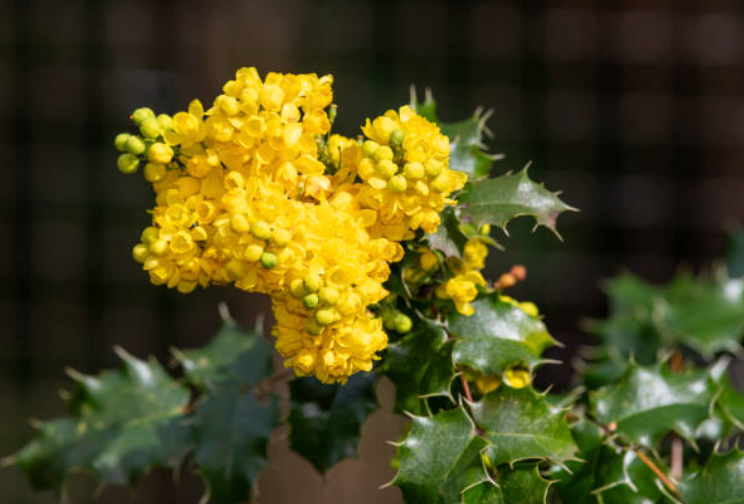
Oregon grape root (Mahonia aquifolium), also formally referred to as Berberis aquifolium is a native understory shrub found throughout the Pacific Northwest. Recognizable by its holly-like leaves, ...
Leave a comment
This site is protected by hCaptcha and the hCaptcha Privacy Policy and Terms of Service apply.