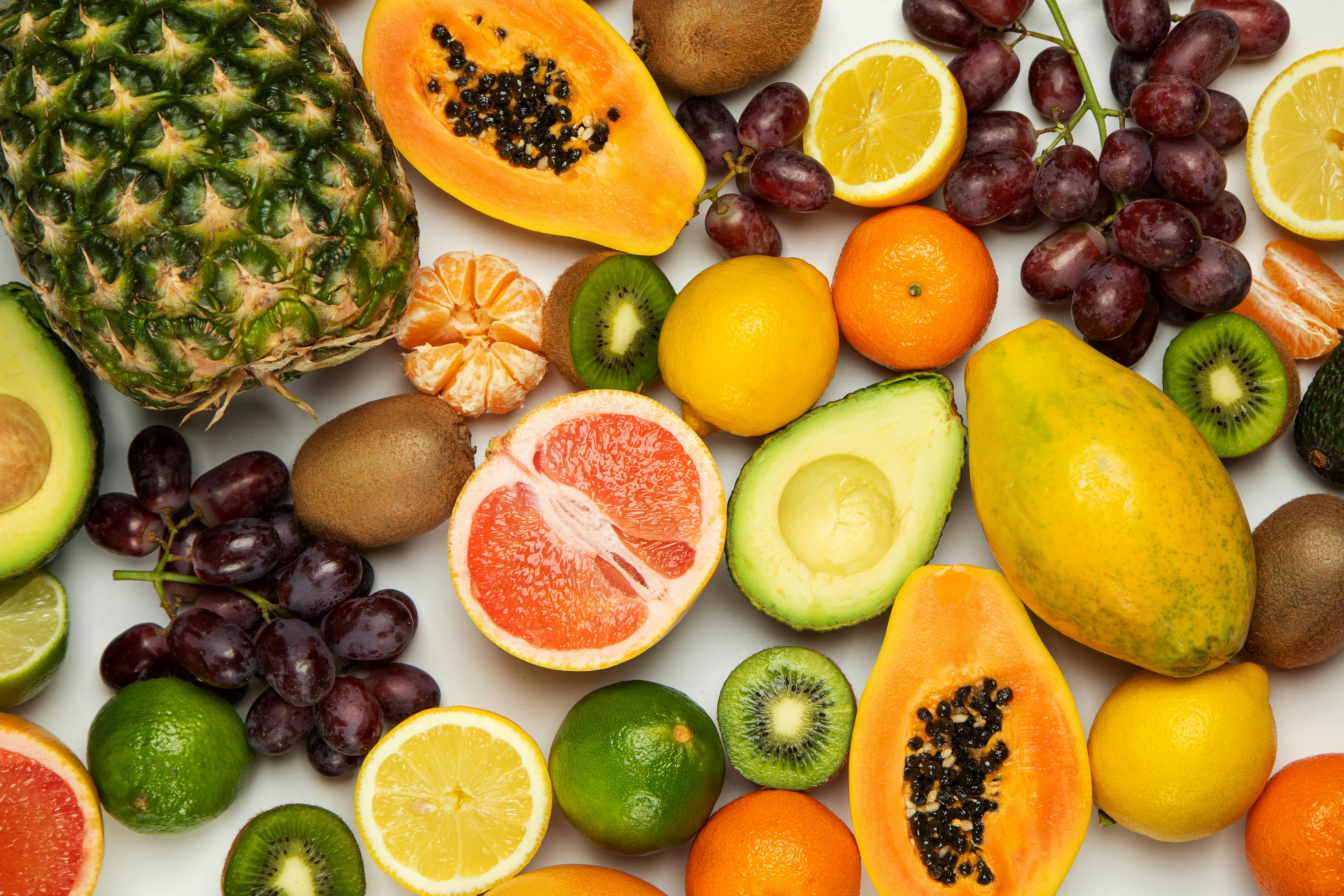
Parasite Cleanse Diet: How to Eat to Support Gut Balance and Deep Healing
When people think about cleansing, they often jump straight to supplements. But what you eat daily quietly shapes your internal environment, either supporting balance… or feeding the very imbalances you're trying to move away from. A parasite cleanse diet isn’t about restriction for the sake of it. It’s about creating a terrain inside the body that no longer favors overgrowth, stagnation, or imbalance. Because here’s the truth most people overlook: You don’t just “remove” imbalances. You shift the environment they rely on to survive. And that starts with your plate.
Why Diet Matters During a Parasite Cleanse
Your gut is an ecosystem, and every meal you eat is either feeding beneficial bacteria or fueling unwanted overgrowth. The goal during a cleanse is simple: support the body, reduce what feeds imbalance, and strengthen what restores balance. While diet alone isn’t the full picture—this is where targeted, cyclical herbal and binder support come in—such as following a complete parasite cleanse protocol that combines both with clear guidance—it sets the foundation that everything else builds on.
The Core Principles of a Parasite Cleanse Diet
Instead of overcomplicating things, anchor yourself in these key shifts:
1. Eliminate Processed & Refined Foods
Ultra-processed foods often contain artificial additives, preservatives, refined oils, and heavily processed ingredients that can place additional stress on digestion. Many people choose to shift toward meals built around more whole, minimally processed foods such as vegetables, herbs, healthy fats, mineral-rich broths, seeds, and fiber-rich ingredients. During a cleanse, gravitating toward a more plant-forward style of eating tends to feel lighter, easier to digest, and more supportive of elimination and overall gut balance. Rather than focusing on heavy, highly processed meals, the emphasis becomes nourishment through whole foods that support the body’s natural detoxification and digestive processes.

2. Reduce Added Sugar & Sweets
One of the first steps many people take during a cleanse is reducing refined sugar and heavily processed sweets. Excess sugar intake contributes to blood sugar instability, inflammation, cravings, imbalance within the gut microbiome, and feeding the very organisms you're trying to eliminate. This often includes temporarily minimizing foods like candy, soda, desserts, sweetened drinks, and processed snack foods. Many people find that once blood sugar becomes more stable, cravings and energy crashes begin improving as well. Lower-glycemic fruits like berries, lemon, and lime are often preferred during this time, while higher-sugar fruits may be reduced temporarily depending on individual tolerance.

3. Reduce Grains & Gluten
Many people notice improvements in bloating, heaviness, and digestion when they temporarily reduce gluten-heavy grains and highly refined carbohydrates. Foods like white bread, pastries, pasta, and processed grains may feel more difficult to digest for some individuals, especially during periods of gut imbalance. Reducing these foods temporarily may help simplify digestion and give the gut a period of support and rest.

4. Avoid Alcohol & Excess Caffeine
Alcohol and excessive caffeine may place additional stress on the liver, digestion, sleep quality, hydration status, and nervous system. Many people find that prioritizing hydration, herbal teas, mineral-rich fluids, and more stable energy support during a cleanse helps them feel more balanced overall. Reducing alcohol and excess stimulants often becomes one of the simplest ways to support recovery, energy, and digestion simultaneously.

5. Limit High-Sugar Fruits Temporarily
While fruit can absolutely be part of a healthy diet, some people temporarily reduce very high-glycemic fruits during a cleanse to help support steadier blood sugar and microbial balance. Fruits like bananas, grapes, mangoes, and dried fruits are sometimes limited for a period of time, while lower-glycemic options like berries and citrus are emphasized instead. The goal is not permanent restriction, but simply supporting a more balanced internal environment while the body recalibrates.

6. Cut Back on Dairy (Except Fermented Options)
Conventional dairy products are inflammatory and can be difficult to digest for sensitive individuals. During a cleanse, many people choose to temporarily reduce foods like milk, cheese, ice cream, and processed dairy products. However, fermented options like unsweetened yogurt or kefir may still be supportive in small amounts because they naturally contain beneficial bacteria that can help support microbial balance within the gut.

7. Increase Fiber, Probiotics & Prebiotics
One of the most overlooked aspects of gut health is proper fiber intake and microbiome support. Fiber helps support regular elimination while also feeding beneficial bacteria within the gut. Helpful sources include:
- leafy greens
- cruciferous vegetables
- chia seeds
- basil seeds
- flaxseeds
- carrots
- zucchini
- cucumber
- cabbage.
Many people also choose to incorporate probiotic-rich foods like sauerkraut, kimchi, kefir, and unsweetened yogurt to help support microbial diversity.
Prebiotic foods can also play an important role because they help nourish the beneficial bacteria already living within the digestive tract. Foods like garlic, onions, asparagus, leeks, chia seeds, and flaxseeds are commonly used for this purpose. For individuals with sensitive digestion, increasing fiber and fermented foods gradually is often the most comfortable approach.

8. Incorporate Traditionally Used Anti-Microbial Foods
Certain foods and herbs have been traditionally used across many cultures to support digestion and microbial balance within the gut. Common examples include garlic, ginger, turmeric, oregano, pumpkin seeds, papaya seeds, and pineapple. These foods are often incorporated into meals during a cleanse because the help support a more balanced digestive environment while also providing anti-inflammatory and digestive-supportive compounds.


Healthy fats are not the enemy during a cleanse. In fact, they play an important role in supporting hormone balance, nutrient absorption, energy stability, and satiety throughout the detoxification process. Including nourishing sources of healthy fats such as olive oil, avocado, coconut oil, nuts, and seeds help make cleansing feel more sustainable and supportive rather than overly restrictive. Because many vitamins and plant compounds are fat-soluble, healthy fats also assist the body in properly absorbing and utilizing nutrients from foods and herbs.

Parasite Diet Food List
During a parasite cleanse, the goal isn’t simply to remove certain foods—it’s also to nourish the body with foods that support digestion, microbial balance, elimination, hydration, and overall resilience. Many people find that emphasizing whole, minimally processed, plant-forward foods rich in fiber, healthy fats, minerals, and traditionally used anti-microbial ingredients helps create a more supportive internal environment throughout the cleansing process. While some individuals choose to include clean animal proteins in moderation, the overall focus often shifts toward lighter, fiber-rich foods that feel easier to digest and more supportive of gut balance and natural elimination pathways.

Foods to Avoid
While adding supportive foods is important during a cleanse, reducing certain foods that may contribute to inflammation, digestive stress, blood sugar instability, or microbial imbalance can be equally impactful. Many people find that temporarily minimizing highly processed foods, excess sugar, alcohol, and other common irritants helps create a more supportive environment for digestion, elimination, and overall gut balance.

What Most People Get Wrong
They try to do everything at once—overhauling their diet overnight, adding multiple supplements, and ultimately overwhelming their system. The better approach is to layer your support: start by cleaning up the diet, then focus on supporting digestion and elimination, and finally introduce targeted herbal and binder support. This creates a much smoother, more sustainable experience for the body.
For those looking for more structured support, our Complete 90-Day Parasite Cleanse Kit was designed to go beyond herbs alone by combining targeted herbal extracts, binder support, and a step-by-step protocol focused on digestion, elimination, and gut balance. The goal isn’t restriction or extremes, but creating a more supported and sustainable cleansing experience for the body.
Final Thoughts
A parasite cleanse diet isn’t about being perfect, it’s about becoming aware of what truly supports your body and what doesn’t. When you begin to make small, intentional shifts, you create momentum that builds over time, allowing your body to move toward balance more naturally. As your internal environment starts to change, you may notice that everything begins to follow—from your energy levels to your digestion, and even your overall clarity.
FAQ: Parasite Cleanse Diet
What is a parasite cleanse diet?
A parasite cleanse diet is a way of eating designed to support gut balance and make the internal environment less favorable for microbial and parasitic overgrowth. It focuses on whole, nutrient-dense foods while reducing sugar, processed foods, and inflammatory ingredients that can disrupt the microbiome.
Can diet alone support a parasite cleanse?
How long should you follow a parasite cleanse diet?
Most people benefit from following this style of eating for at least a few weeks, but it can also be used longer-term as a general gut-supportive lifestyle. If you’re following a structured protocol, the diet is typically maintained throughout the duration of that process.
What foods should you avoid during a parasite cleanse?
The main goal is to reduce foods that may contribute to imbalance, including:
- Refined sugar and sweets
- Processed and packaged foods
- Refined grains
- Alcohol
- Excess caffeine
- Artificial additives
These foods can disrupt digestion and create an environment that’s harder for the body to rebalance.
What are the best foods to eat during a parasite cleanse?
Focus on foods that support digestion, balance, and elimination:
- Non-starchy vegetables
- Clean protein sources (plant-based preferred)
- Healthy fats like olive oil and avocado
- Fiber-rich foods like seeds and greens
- Traditionally used foods like garlic, ginger, and herbs
- Fermented foods
These help nourish the body while supporting a healthier gut environment.
Is fruit allowed on a parasite cleanse diet?
Yes, but with intention. Lower-sugar fruits like berries, lemon, and lime are generally preferred during this time. Higher-sugar fruits may be reduced temporarily to support balance.
Can you eat dairy during a parasite cleanse?
Many people choose to limit or remove conventional dairy during this process, as it can be difficult to digest for some individuals and may contribute to inflammation, mucus production, and digestive discomfort. Foods like milk, cheese, and ice cream are commonly reduced temporarily while supporting gut balance. However, depending on individual tolerance, small amounts of fermented dairy such as unsweetened yogurt or kefir may still be supportive due to their natural probiotic content.
Why is fiber important during a parasite cleanse?
Fiber plays a major role in supporting digestion, elimination, and overall gut balance. It helps support regular bowel movements, bind and carry waste out of the body, and nourish beneficial bacteria within the microbiome. Without adequate fiber intake, digestion can become sluggish and stagnant, which may make it more difficult for the body to maintain healthy elimination and microbial balance.
Do you need to stay hydrated during a parasite cleanse?
Hydration is one of the most important — yet often overlooked — aspects of supporting digestion and overall gut health. Water plays a major role in digestion, circulation, nutrient transport, elimination, and the body’s natural detoxification pathways. Many people find that maintaining consistent hydration throughout the day helps support more regular digestion, energy levels, and overall balance.
Can a parasite cleanse diet help with bloating and digestion?
Many people notice improvements in bloating, digestion, and overall energy levels when they begin reducing highly processed and inflammatory foods while placing greater emphasis on gut-supportive, nutrient-dense meals. Supporting microbial balance, hydration, fiber intake, and digestion together can often have a noticeable impact on how the body feels day to day.
Is a parasite cleanse diet safe for everyone?
This way of eating is generally centered around whole, nutrient-dense foods, but individual needs vary. If you have underlying health conditions or concerns, it’s always best to work with a qualified practitioner.
Read more

Your liver is responsible for filtering, processing, and neutralizing everything that enters your body—from the food you eat to the air you breathe. On a daily basis, it works through layers of exp...

If you’ve ever heard an herbalist mention herbs that “move lymph,” they’re often referring to a category of herbs known as lymphagogues. A lymphagogue is an herb traditionally used to stimulate the...
Leave a comment
This site is protected by hCaptcha and the hCaptcha Privacy Policy and Terms of Service apply.