
Liver Cleansing Foods: How to Naturally Support Your Body’s Detox Pathways
Your liver is responsible for filtering, processing, and neutralizing everything that enters your body—from the food you eat to the air you breathe. On a daily basis, it works through layers of exposure: environmental toxins, processed ingredients, metabolic waste, and hormonal byproducts.
Over time, this constant demand can begin to slow the efficiency of these pathways. Not because the body is failing but because the load has increased beyond what it can easily keep up with on its own. This is where intentional support becomes essential. And while deeper protocols play a critical role, the foundation always begins with the most consistent input into your body: your food.
Why Liver Cleansing Foods Matter
Liver-supportive foods are not a quick fix. They are a preparatory and supportive layer that helps the body function more efficiently before, during, and after deeper detoxification work. When used consistently, these foods help:
- Encourage healthy bile production and flow
- Provide nutrients required for detox pathways
- Reduce the overall burden placed on the liver
- Support smoother elimination through the digestive system
This becomes especially important when preparing for a structured approach, such as a liver flush, where the body benefits from being properly supported beforehand.
Key Liver Cleansing Foods to Incorporate Daily
Bitter Greens: Supporting Bile Flow at the Source

Cruciferous Vegetables: Nourishing Detox Pathways
Cruciferous vegetables play a deeper role in liver support by assisting the body’s natural detoxification processes. Vegetables such as broccoli, brussel sprouts, cabbage, and cauliflower contain compounds (DIM (Diindolylmethane) and sulforaphane) that help the liver process and transform toxins into forms that can be eliminated more efficiently. Rather than forcing detox, these foods help ensure that the body’s existing pathways are working properly, an important step before engaging in more intensive cleansing methods.

Garlic and Onions: Sulfur for Detox Support
Sulfur-containing foods are often overlooked, but they play a key role in supporting liver function. Garlic and onions provide compounds that assist in activating enzymes responsible for breaking down unwanted substances in the body. Including these foods regularly helps reinforce the body’s ability to process and prepare toxins for elimination.

Beets: Supporting Circulation and Bile Movement
They are known for their ability to promote circulation and encourage healthy bile movement, both of which are essential during any detoxification process. When the body is preparing for deeper cleansing, these foundational supports can help improve overall flow and efficiency.

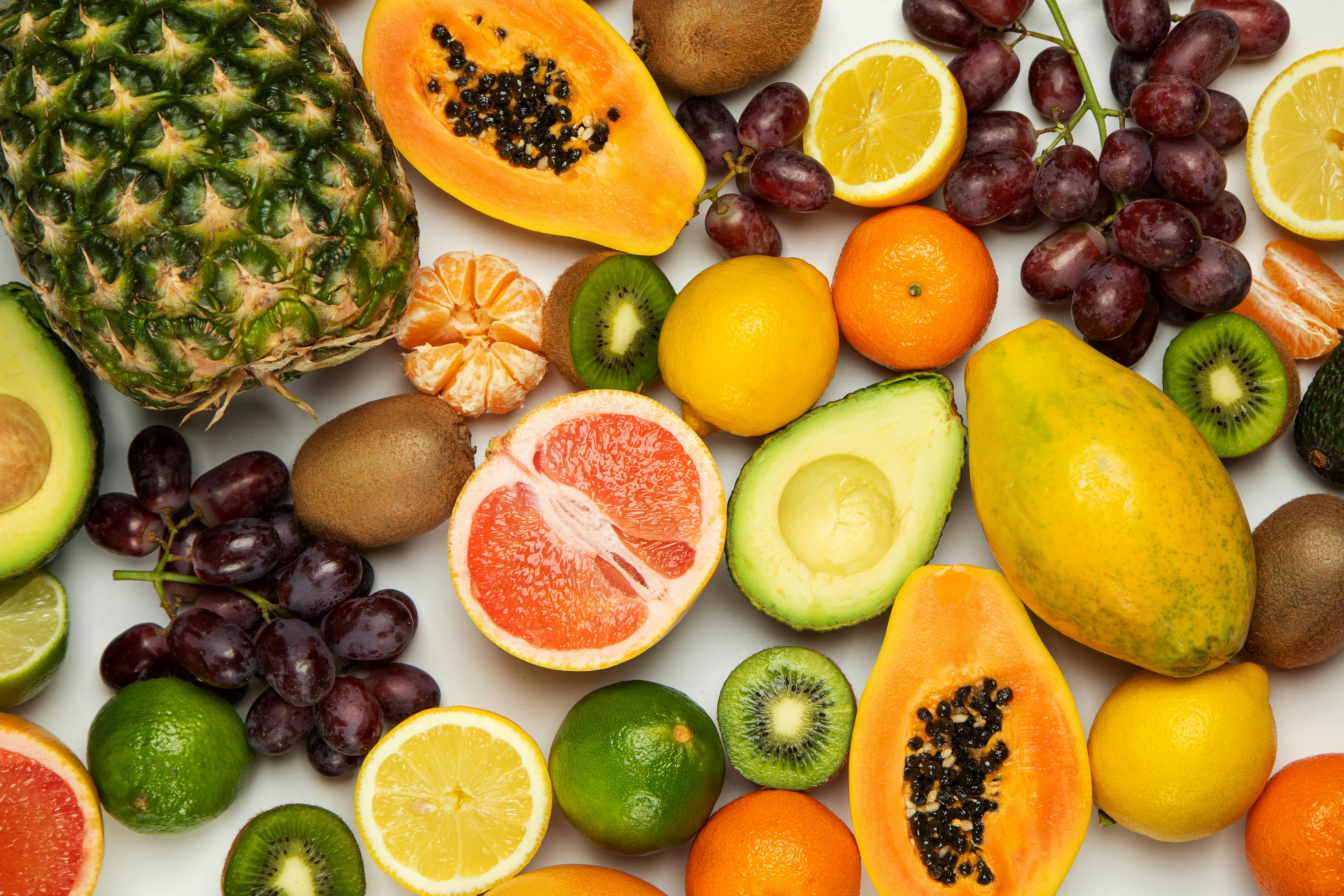
Citrus Fruits: Gentle Daily Stimulation
Even small habits, like adding lemon to water in the morning, can create consistent support over time.

Turmeric: Supporting Balance and Flow

Creating a Strong Foundation Before Going Deeper
These foods play an important role, but they are most effective when viewed as part of a larger picture. Supporting the liver fully involves more than diet alone. It requires attention to how the body:
- Moves bile
- Processes toxins
- Eliminates waste through the gut
- Maintains consistent support over time
Without these elements in place, detoxification efforts can feel incomplete or ineffective.
Where Food Fits Into a Liver Flush Approach
Incorporating liver-supportive foods consistently can help prepare the body for more structured detoxification methods. This preparation phase can:
- Support smoother transitions into cleansing protocols
- Help reduce discomfort during detox
- Improve how efficiently the body processes and eliminates waste
For those looking to go deeper, understanding how to properly prepare is key. You can continue here:
- How to Prepare for a Liver Flush (Step-by-Step Guide)
- The Complete Liver Flush Protocol Explained
These guides walk through the structure, timing, and supportive strategies that go beyond food alone.
Final Thoughts
The body is always working toward balance, but it responds to what you consistently give it. Liver cleansing foods create the foundation. Structure creates the shift. When you begin combining both, you move from surface-level support into a more intentional approach to detoxification. Start simple. Stay consistent. Then build from there.
your liver content.
Frequently Asked Questions About Liver Cleansing Foods
What foods are best for liver detox?
The best foods for liver detox are those that support the body’s natural detoxification pathways rather than forcing detox. These include bitter greens (like dandelion and arugula), cruciferous vegetables (such as broccoli and cabbage), sulfur-rich foods (like garlic and onions), beets, citrus fruits, and turmeric. These foods help promote bile flow, support detox enzymes, and assist the body in processing and eliminating waste efficiently.
Can food alone detox the liver?
Liver-supportive foods play an important role, but they are typically just one part of a larger detoxification process. While these foods help nourish and support the liver, deeper detoxification often requires additional support for bile flow, toxin processing, and elimination pathways. This is why many people incorporate structured approaches, such as liver flush protocols, alongside dietary changes.
How long does it take to support the liver with diet?
Supporting the liver through diet is a gradual process. Some people may notice improvements in digestion and energy within a few weeks, but deeper changes often occur over a longer period of consistent support. Preparing the body with liver-supportive foods for at least 1–2 weeks is commonly recommended before beginning more structured detox approaches.
What are signs your liver needs support?
Common signs that your liver may benefit from additional support include:
- Low energy or fatigue
- Bloating or sluggish digestion
- Skin concerns
- Brain fog
- Hormonal imbalances
These symptoms can indicate that detox pathways may be under increased stress or not functioning as efficiently as they could be.
What is the role of bile in liver detox?
Bile plays a central role in detoxification. It helps transport toxins out of the liver and into the digestive tract so they can be eliminated from the body. Without proper bile flow, toxins can remain in circulation or be reabsorbed, which is why supporting bile production and movement is a key part of any effective liver support strategy.
Are cruciferous vegetables good for liver detox?
Yes, cruciferous vegetables are some of the most beneficial foods for liver support. They contain compounds that help activate detoxification enzymes in the liver, supporting the breakdown and processing of toxins. Regular consumption of vegetables like broccoli, cauliflower, and cabbage can help improve overall detox efficiency.
What is the difference between liver support and a liver flush?
Liver support refers to ongoing, daily practices such as diet and lifestyle that help the liver function properly. A liver flush is a more structured approach designed to more deeply support bile movement and detox pathways over a specific period of time. Liver-supportive foods are often used as a preparation phase before beginning a flush.
How do DIM and sulforaphane support the liver?
DIM and sulforaphane are compounds derived from cruciferous vegetables that provide more targeted support for detox pathways. DIM helps support hormone metabolism, particularly how estrogen is processed through the liver. Sulforaphane supports detoxification enzymes and helps the body process environmental toxins more efficiently. Together, they help enhance the body’s ability to process and eliminate waste during detoxification.
How can I prepare my body for a liver flush?
Preparing for a liver flush typically involves supporting the body with liver-friendly foods, staying well hydrated, and ensuring proper digestion and elimination. This preparation phase helps the body respond more effectively to deeper detox protocols and can reduce discomfort during the process.
References
- Zhang et al. – Sulforaphane and Liver Health
- Egner et al. – Broccoli Sprout Extract and Detoxification Enzyme Activation
- Clarke et al. – Sulforaphane and Phase II Detoxification Enzymes
- Kikuchi et al. – Glucoraphanin Intake and Liver Biomarkers
- Higdon et al. – Cruciferous Vegetables and Detoxification Pathways
- Zhang et al. – Sulforaphane Mechanisms and Antioxidant Activation
- Kensler et al. – Sulforaphane and Nrf2 Pathway Activation
- Fahey et al. – Sulforaphane Bioavailability from Cruciferous Vegetables
Read more

When it comes to acne, most people are taught to look at the surface. New products, better routines, stronger topicals. But if your skin isn’t responding, it’s usually a sign that the root cause is...
When people think about cleansing, they often jump straight to supplements. But what you eat daily quietly shapes your internal environment, either supporting balance… or feeding the very imbalance...
Leave a comment
This site is protected by hCaptcha and the hCaptcha Privacy Policy and Terms of Service apply.