
Signs Your Lymphatic System Needs Support (And How to Improve Lymphatic Drainage Naturally)
The lymphatic system is one of the most essential and most overlooked systems in the body. Unlike the circulatory system, which has the heart to keep blood moving, the lymphatic system relies entirely on movement. There is no central pump. Instead, it depends on breath, muscle contraction, and daily activity to circulate fluid.
This system plays a quiet but critical role in maintaining balance. It helps move lymphatic fluid throughout the body, supports immune function, and assists in clearing waste, cellular debris, and byproducts that accumulate over time. When it is functioning well, you rarely notice it. When it slows down, the effects can begin to surface.
What Lymphatic Drainage Actually Means
Lymphatic drainage is often misunderstood as something that needs to be forced or aggressively stimulated. In reality, it is much simpler than that. Lymphatic drainage refers to supporting the body’s natural ability to move lymphatic fluid, restoring flow where there has been stagnation. It is not about pushing the body into rapid detoxification. It is about creating the conditions that allow it to function as it is designed to.
How to Tell If You May Need Lymphatic Support
The lymphatic system does not usually demand attention in obvious ways. When it slows down, the signs are often subtle and easy to overlook or attribute to something else. Because this system relies entirely on movement, modern lifestyle patterns can easily contribute to stagnation. Long periods of sitting, limited physical activity, dehydration, and reduced circulation can all slow lymphatic flow over time.
Rather than presenting as a single symptom, this often shows up as a pattern or small, persistent signals that the body may not be moving or clearing as efficiently as it could. One of the most noticeable signs is swelling, particularly in the face, hands, ankles, or abdomen. This may feel like puffiness, tightness in clothing or jewelry, or fluid that seems to linger. In clinical contexts, this is referred to as edema and is one of the most recognized indicators of reduced lymphatic movement.
Fatigue is another common experience. Not just tiredness, but a heavier, more persistent sense of low energy, often accompanied by brain fog. Because the lymphatic system plays a role in clearing metabolic byproducts, reduced flow can contribute to this feeling of internal sluggishness. The skin can also reflect what is happening beneath the surface. When elimination pathways are not moving efficiently, it may show up as:
- dull or congested skin
- recurring breakouts
- or increased sensitivity and irritation
You may also notice a tendency toward frequent or lingering congestion, such as sinus pressure or recurring minor infections. The lymphatic system is closely tied to immune function, and when flow slows, the body may take longer to fully clear what it encounters. For some, the most noticeable sign is less specific but just as telling, a general feeling of heaviness or stagnation, as if the body is not circulating or clearing as easily as it could.
In more defined medical contexts, impaired lymphatic flow can present as edema or lymphedema, where fluid accumulates due to dysfunction within the system. While this is more pronounced, the underlying principle remains the same:
movement is essential for proper function.
It’s also important to recognize when additional care may be needed. Persistent or unexplained swelling, particularly when accompanied by pain, should always be evaluated by a healthcare provider, as it may indicate an underlying condition that requires medical attention.
Ways to Support Lymphatic Drainage
Because the lymphatic system relies on movement, support tends to be simple, consistent, and cumulative.
Movement
Walking, stretching, and low-impact exercise like rebounding help stimulate lymphatic flow through muscle contraction. Even small amounts of consistent movement throughout the day can make a meaningful difference.
Hydration
Lymphatic fluid is largely composed of water. Without adequate hydration, circulation becomes more difficult. Supporting this system often begins with something simple:
drinking enough water.
Breath
Deep, intentional breathing supports lymphatic movement through pressure changes within the body, particularly in the chest where many lymphatic vessels are concentrated.
Dry Brushing and Manual Support
External practices such as dry brushing or lymphatic massage are commonly used to encourage movement through the lymphatic pathways. These approaches are gentle and work best when practiced consistently over time.
Herbal Support
Certain herbs have traditionally been used to support lymphatic flow and the body’s natural clearing processes. One of the most well-known is cleavers, a spring herb that aligns closely with the lymphatic system. Rather than forcing elimination, it gently encourages fluid movement and supports areas of stagnation, which is why it has long been used as a seasonal tonic. Other herbs are often used alongside it to support different aspects of this process.
- Dandelion (Taraxacum officinale): acts as a diuretic and detoxifying agent to support overall lymphatic drainage.
- Red clover (Trifolium Pratense): has traditionally been used as an alterative herb, supporting gradual clearing through the lymphatic and circulatory systems.
- Echinacea (Echinacea agustifolia): often associated with immune support and has been used to help stimulate lymphatic activity, particularly during times of congestion.
- Calendula (Calendula officinalis): valued for its gentle lymphatic and skin-supportive properties, often used to support areas of inflammation and tissue health.
These herbs are not typically used in isolation, but as part of a broader, layered approach that supports movement, processing, and elimination over time.
Why Spring Is the Ideal Time to Support Lymphatic Drainage
Spring is a season defined by movement. After winter, a time of stillness, conservation, and inward focus both nature and the body begin to shift. What was frozen softens. What was stagnant begins to move. This same pattern is reflected internally. The body becomes more receptive to:
- clearing
- circulation
- and renewal
Working with this seasonal shift makes lymphatic support feel more natural and less forced.
Lymphatic Flow and Preparation for Detoxification
Before the body can effectively eliminate anything, it has to be able to move it. This is where the lymphatic system becomes especially important. The lymphatic system acts as a transport network collecting waste, cellular debris, and byproducts, and moving them toward the body’s primary elimination pathways, including the liver, kidneys, and digestive system.
If this movement is slow or stagnant, the body may struggle to efficiently process and clear what is being mobilized. This is why lymphatic support is often considered a foundational step. Rather than jumping directly into more intensive detoxification approaches, it can be helpful to first ensure that the pathways responsible for moving waste are functioning smoothly. When lymphatic flow is supported:
- circulation improves
- fluid movement becomes more efficient
- and the body is better prepared to handle what is being processed
Without this step, the system may feel overwhelmed not because the body is incapable, but because movement has not been fully established. This is also why many traditional approaches emphasize preparation before deeper cleansing. Supporting the lymphatic system, alongside hydration, digestion, and elimination, helps create a more balanced and sustainable process. In this way, lymphatic drainage is not the detox itself it is what allows detoxification to happen more efficiently.
Frequently Asked Questions About Lymphatic Drainage
What is lymphatic drainage?
Lymphatic drainage refers to supporting the natural movement of lymphatic fluid throughout the body. This system helps transport waste, supports immune function, and works alongside the body’s primary detoxification pathways.
What are the signs of a sluggish lymphatic system?
Common signs may include swelling or puffiness, fatigue, brain fog, skin congestion, and a general feeling of heaviness. These often appear as subtle, ongoing patterns rather than a single symptom.
How can I improve lymphatic drainage naturally?
Supporting lymphatic flow typically involves consistent, gentle practices such as movement, hydration, deep breathing, and external techniques like dry brushing. Herbal support can also be used as part of a broader approach.
Does lymphatic drainage detox the body?
Lymphatic drainage does not act as a detox itself, but it plays an important role in preparing the body for detoxification by supporting the movement of waste toward elimination pathways.
What herbs support the lymphatic system?
Herbs commonly used to support lymphatic flow include cleavers, red clover, echinacea, calendula, and dandelion. These herbs are often used together to support fluid movement, immune function, and overall balance.
Is lymphatic drainage safe to do at home?
Gentle practices like walking, hydration, and dry brushing are generally safe for most people. However, certain conditions may require medical guidance before attempting more targeted approaches.
How often should you support lymphatic drainage?
Lymphatic support is most effective when done consistently through daily habits, rather than occasionally. Small, repeated practices tend to have the greatest long-term impact.
Can lymphatic drainage help with swelling?
Supporting lymphatic flow may help reduce mild fluid retention or puffiness by improving circulation and fluid movement. Persistent or severe swelling should be evaluated by a healthcare provider.
Is lymphatic drainage important during detox protocols?
Yes. Supporting lymphatic flow is often considered a foundational step, as it helps move waste through the body so it can be properly processed and eliminated.
Why is spring a good time to support the lymphatic system?
Spring is a season of natural movement and renewal. The body becomes more receptive to clearing and circulation during this time, making it an ideal period to focus on lymphatic support.
References
- Ozdowski L., et al. Physiology of the Lymphatic System and Its Role in Fluid Balance and Immune Function
- Ozdowski L., et al. Functions of the Lymphatic System: Fluid Homeostasis, Fat Absorption, and Immune Support
- Cleveland Clinic. Lymphatic System: Function, Fluid Balance, and Immune Protection
- Vairo G.L. Systematic Review of Manual Lymphatic Drainage and Its Physiological Basis
- Ramadan F. Evidence-Based Review of Manual Lymphatic Drainage in Clinical Practice
- Cleveland Clinic. Lymphatic Drainage Massage: Benefits, Indications, and Safety
- Marxen T., et al. Effects of Lymphatic Drainage on Physiological and Nervous System Function
- Mehrara B.J., et al. The Emerging Role of Lymphatics in Chronic Disease and Inflammation
Read more
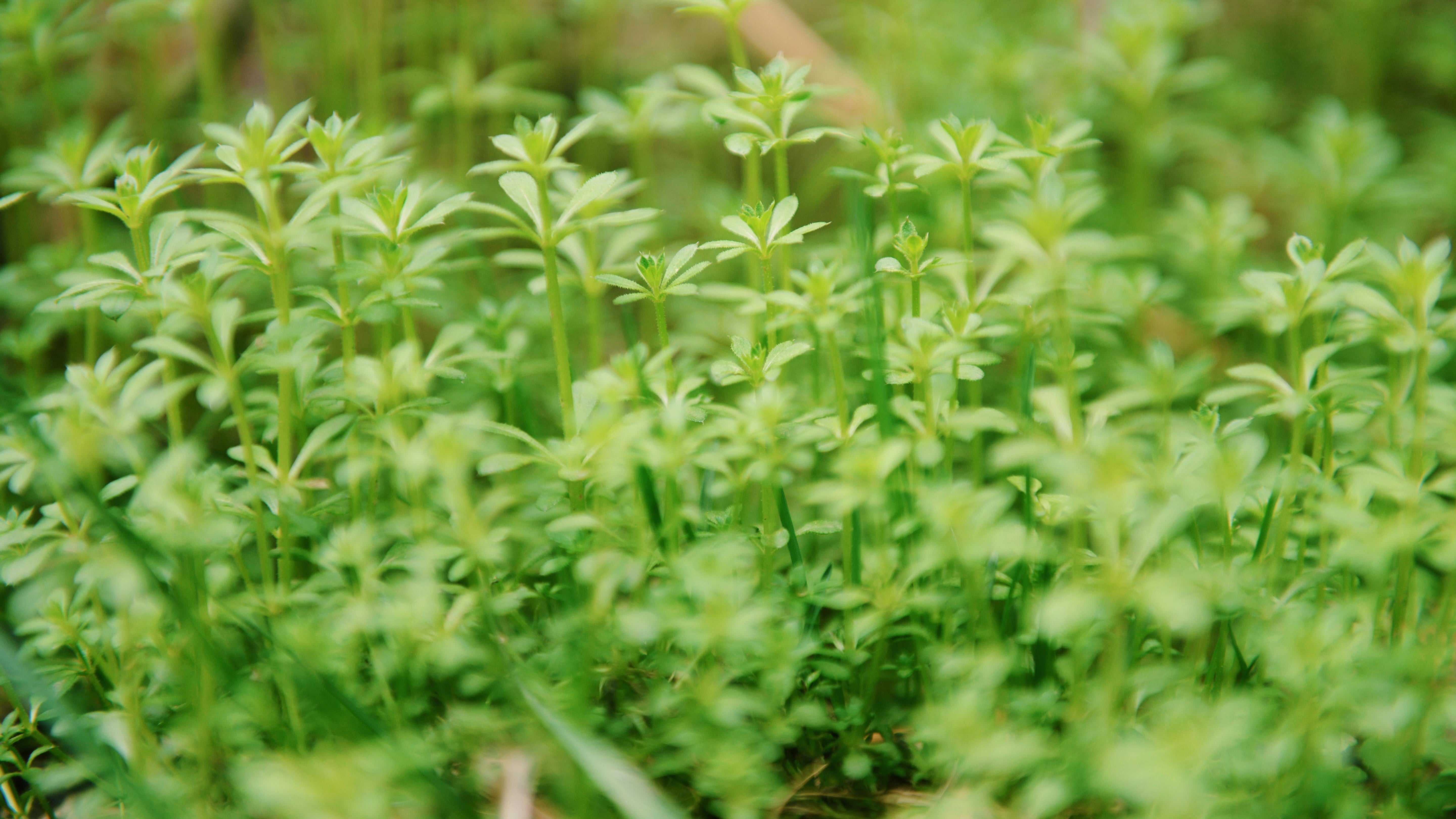
Cleavers (Galium aparine) is one of the first plants to emerge in early spring, often growing in soft, tangled clusters along forest edges, gardens, and pathways. Often called "sticky willy" and kn...

Detox foot soaks have become a staple in natural wellness routines—and for good reason. Rooted in traditional practices, these simple at-home rituals combine warm water, mineral salts, and herbal e...
Leave a comment
This site is protected by hCaptcha and the hCaptcha Privacy Policy and Terms of Service apply.