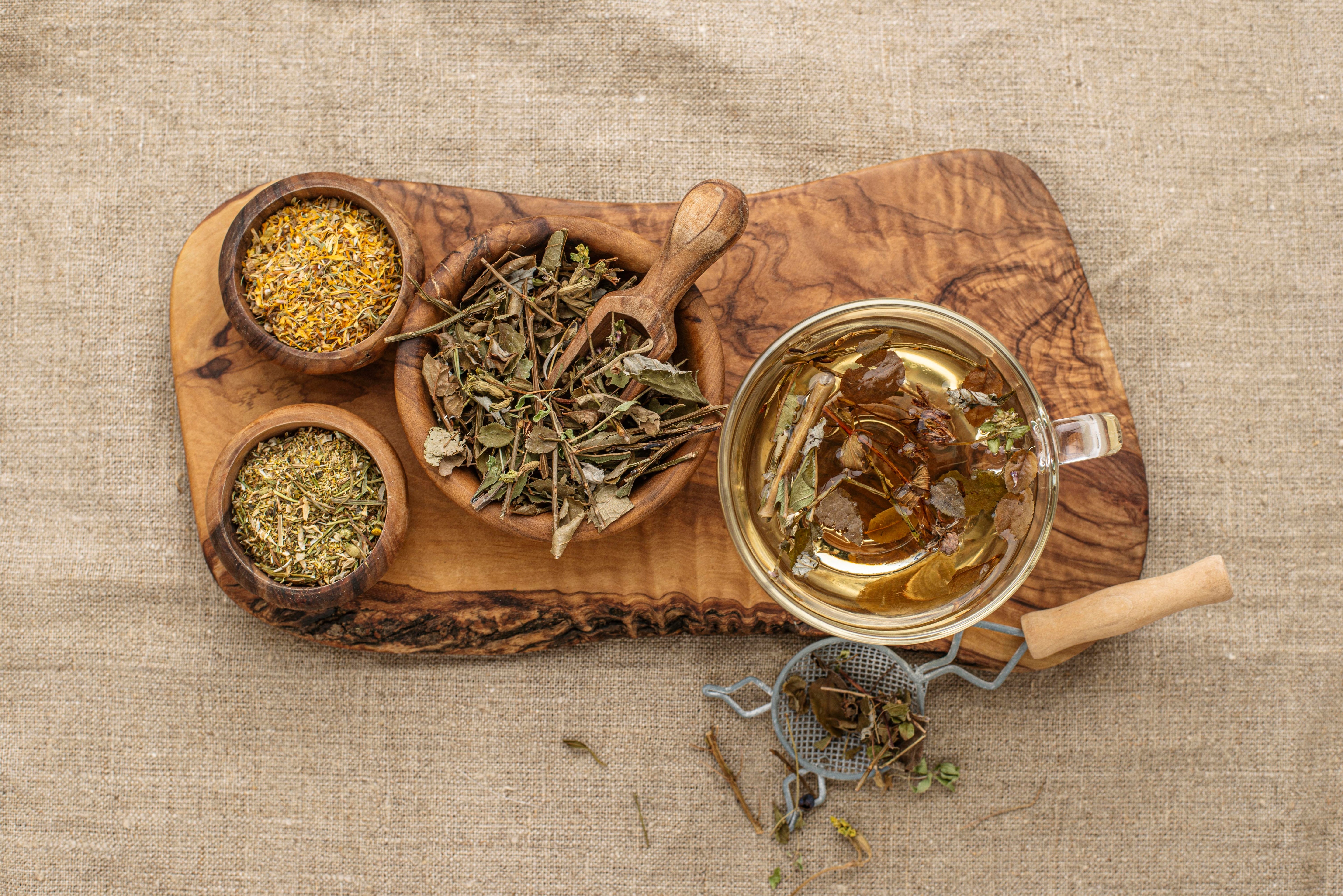
Glycerin vs. Alcohol Herbal Extractions
Why the Solvent Matter More Than the Herb
When choosing an herbal product, most people focus on the ingredient list. But in herbal medicine, the solvent used to extract those ingredients is just as important as the plants themselves. Two of the most common liquid extraction methods used today are glycerin extractions (glycerites) and alcohol extractions (tinctures). While both have a place in herbalism, they are not interchangeable, and understanding their differences can explain why some formulas feel effective while others fall flat.
What Is an Herbal Extraction?
An herbal extraction is the process of using a solvent to pull beneficial compounds out of plant material and into a liquid form the body can use. Plants contain many different types of compounds:
• Water-soluble
• Fat-soluble
• Aromatic and volatile
• Resinous and bitter
No single solvent extracts everything equally. The choice of solvent determines which compounds make it into the final product—and which are left behind.
What Is a Glycerin Extraction (Glycerite)?
A glycerite is made using vegetable glycerin, a sweet, syrup-like liquid derived from plant oils. Glycerin is technically water-based and behaves similarly to water in extraction.
What Glycerin Extracts Well
Glycerin is effective at extracting:
• Sugars and polysaccharides
• Mucilage (soothing, demulcent compounds)
• Some water-soluble flavonoids
• Gentle nutritive constituents
Because of this, glycerites can be useful for:
• Soothing herbs
• Mild adaptogens
• Nutritive and tonic plants
• Children or alcohol-sensitive individuals
Glycerites are often pleasant tasting and easy to take consistently.
Limitations of Glycerin Extractions
Despite their popularity, glycerin extractions have clear chemical limitations. Glycerin struggles to extract:
• Essential (volatile) oils
• Resins and oleoresins
• Bitter principles
• Alkaloids
• Fat-soluble phytochemicals
These compounds are often responsible for the therapeutic action of many traditional medicinal herbs. As a result, glycerites tend to produce partial extracts, especially when working with:
• Tough, woody, or fibrous plant material
• Bitter or aromatic herbs
• Resin-rich botanicals
Why Many Companies Use Glycerin Instead of Alcohol
Glycerin is commonly used in commercial formulas for several practical reasons:
• It is alcohol-free, which appeals to a broad audience
• It tastes sweet and masks bitterness
• It avoids concerns or objections around alcohol
• It is easier to market as “gentle”
However, convenience and palatability do not always translate to effectiveness, especially when the herbs used rely on compounds glycerin cannot adequately extract. This is why some people report little to no noticeable result from glycerite-based formulas, particularly in categories like detox or parasite support.
What Is an Alcohol Extraction (Tincture)?
Alcohol (ethanol) is a powerful, food-grade solvent that has been used in herbal medicine for centuries. What makes alcohol unique is its ability to extract both water-soluble and fat-soluble compounds, depending on the alcohol-to-water ratio used.
Compounds Best Extracted by Alcohol
Alcohol is particularly effective at extracting:
• Essential oils (volatile compounds)
• Resins and oleoresins
• Alkaloids
• Bitter principles
• Triterpenes and saponins
• Alkylamides
• Certain flavonoids and phenolic compounds
• Fat-soluble phytochemicals
This makes alcohol extraction ideal when the goal is a broad-spectrum, whole-plant extract.
Alcohol vs. Glycerin for Tough or Fibrous Herbs
Many traditional medicinal herbs are:
• Woody
• Resinous
• Bitter
• Dense or fibrous
These plants evolved to protect themselves, and their most active compounds are often locked inside tough cellular structures. Alcohol penetrates plant fibers more effectively than glycerin or water, allowing these compounds to be released into the extract. This is why alcohol is preferred for formulas using:
• Roots and barks
• Woody seeds and hulls
• Bitter or aromatic herbs
This is why we rely on alcohol extraction for formulas that use dense, bitter, or fibrous botanicals, particularly in protocols designed for deeper systemic support.
→ Learn more about our alcohol-extracted detox formulas
Why Bitters Matter in Herbal Medicine
Bitterness is often misunderstood or avoided in modern formulations, yet bitter compounds play a crucial role in traditional herbal systems. When bitter compounds contact taste receptors on the tongue, they stimulate a reflexive digestive response, signaling the body to:
• Increase bile flow
• Release digestive enzymes
• Support liver function
• Improve nutrient assimilation
This reflex begins before the herb is even swallowed. Alcohol extraction is particularly effective at pulling out bitter principles, while glycerin tends to soften or omit them. When bitterness is removed for palatability, much of the herb’s functional signal to the body is lost.
Bioavailability and Systemic Delivery
Alcohol also enhances bioavailability. Because alcohol:
• Extracts fat-soluble compounds
• Acts as a carrier across mucosal membranes
• Begins absorption in the mouth and upper GI tract
Herbal compounds reach circulation more efficiently than they do from powders or glycerin-based liquids. This is especially important for individuals with compromised digestion or impaired detox pathways.
Preservation and Stability
Another major difference lies in preservation. At concentrations above ~20%, alcohol naturally inhibits microbial growth. This gives alcohol-based tinctures:
• Long shelf life (often 5+ years)
• Stable potency over time
• No need for synthetic preservatives
Glycerites, by contrast, are more prone to:
• Microbial growth if not properly handled
• Shorter shelf life
• Changes in potency over time
When Glycerin Is the Better Choice
Glycerin extractions do have an appropriate place. They may be preferable when:
• Working with gentle, nutritive herbs
• Supporting children or alcohol-sensitive individuals
• Taste compliance is critical
• The goal is mild, long-term nourishment rather than targeted action
The issue is not glycerin itself, but using glycerin where alcohol is required.
Choosing the Right Tool for the Job
Herbal medicine is not one-size-fits-all. Different goals require different preparations.
• For gentle support and nourishment, glycerites can be appropriate.
• For deep, targeted, systemic work, alcohol extraction remains the most effective traditional method.
Understanding this distinction empowers people to choose products based on function rather than marketing language alone.
Our Philosophy on Extraction
We choose alcohol extraction when:
• Herbs contain bitter, resinous, or aromatic compounds
• Both water- and fat-soluble constituents are desired
• Bioavailability and consistency matter
• Precision and adjustability are important
This approach honors both the chemistry of the plant and the physiology of the body.
Final Reflection
Herbal medicine works best when the body has access to what the plant has to offer.
Proper extraction preserves a wider range of active compounds, allowing the body to respond with greater clarity and efficiency. Learning how solvents affect herbal preparations helps guide more intentional, informed choices.
If you’re exploring herbal support and want to experience the difference that extraction method can make, you can explore our alcohol-based formulations and protocols here.
→ View our detox & cleansing offerings
Read more

Bioavailability, Potency, and Supporting Detox Pathways When it comes to herbal medicine, the conversation often centers on which herbs are used. But in traditional herbalism, how an herb is prepar...
If you’re researching parasite cleansing, you’re likely not looking for a quick fix. You’re looking for clarity, structure, and a way to support your body without overwhelming it. A parasite cleans...
Leave a comment
This site is protected by hCaptcha and the hCaptcha Privacy Policy and Terms of Service apply.