
Why We Use Alcohol-Based Herbal Extractions
Bioavailability, Potency, and Supporting Detox Pathways
When it comes to herbal medicine, the conversation often centers on which herbs are used. But in traditional herbalism, how an herb is prepared is just as important as the plant itself.
At The Garden Cure Company, we formulate primarily with alcohol-based tinctures. This method has been used for centuries because it allows herbs to be extracted more completely, preserved more reliably, and absorbed more efficiently by the body. This becomes especially important when working with detox pathways — systems that are already under strain for many people living in a modern environment.
Extraction Method Shapes the Outcome
Herbs contain hundreds of phytochemicals. Some dissolve easily in water, others require fat (oil) or alcohol, and many require both to be properly extracted.
Alcohol is a unique, food-grade solvent because it can extract:
• Water-soluble compounds
• Fat-soluble compounds
• Aromatic and volatile constituents
• Resinous and bitter principles
This makes alcohol extraction one of the few methods capable of producing a broad-spectrum, whole-plant extract. When the goal is gentle nourishment, glycerin extractions and teas may be sufficient. When the goal is targeted systemic support, the extraction method becomes critical.
Why Bioavailability Matters More Than Dosage
Bioavailability refers to how much of a substance the body can actually absorb and use. Many people assume that taking a higher dose automatically leads to better results. In reality, absorption is often the limiting factor, not quantity. This is where alcohol-based tinctures differ significantly from capsules and powders.
Tinctures vs. Capsules
A Digestive Perspective
Capsules must pass through several steps before the body can access their contents:
1. The capsule casing must dissolve
2. Stomach acid must be sufficient
3. Digestive enzymes must break down plant material
4. The gut lining must be intact enough to absorb compounds
For individuals dealing with:
• Sluggish digestion
• Low stomach acid
• Gut inflammation
• Chronic stress
• Long-term detox burden
This process may be compromised. Alcohol-based tinctures bypass much of this workload, and because the herbs are already extracted:
• Absorption begins in the mouth and upper GI tract right into the bloodstream
• Less digestive effort is required
• The liver receives compounds in a more usable form
• Dosage can be adjusted drop by drop
This is why tinctures often feel faster-acting and more consistent, particularly for people who have tried capsules without noticeable effect.
Supporting Detox Pathways Without Overburdening Them
Detoxification is not a single organ function. It involves:
• The liver and gallbladder
• The gut and microbiome
• The kidneys
• The lymphatic system
• The skin
When these systems are already congested, adding poorly absorbed supplements can increase strain rather than relieve it. Alcohol-based tinctures support detox by:
• Delivering herbs in a pre-digested form
• Reducing reliance on digestive capacity
• Supporting circulation of herbal compounds
• Allowing gradual, responsive dosing
This approach respects the body’s pace instead of forcing elimination.
Alcohol as a Solvent and a Preservative
Alcohol serves two essential roles in herbal preparations.
1. Comprehensive Extraction
Ethanol can dissolve compounds that water alone cannot, including:
• Essential (volatile) oils
• Resins and oleoresins
• Alkaloids
• Bitter principles
• Certain flavonoids and phenolic compounds
• Fat-soluble phytochemicals
This allows herbs to express their full chemical profile, not just the water-soluble compounds.
2. Natural Preservation
At concentrations above approximately 20%, alcohol naturally inhibits microbial growth. This means tinctures:
• Remain stable for years
• Do not require synthetic preservatives
• Maintain consistent potency over time
Consistency matters when herbs are used as part of longer protocols rather than one-time interventions.
Precision, Adjustability, and Individual Needs
Another advantage of tinctures is dose flexibility. Unlike capsules, which are fixed, tinctures allow:
•Slow titration
•Personalized dosing
•Easy adjustment during cleansing cycles
•Responsive use during periods of increased need
This is especially important in detox protocols, where the body’s response can vary day by day.
Why This Matters for Parasite and Liver Support
Many of the herbs traditionally used to support parasite cleansing and liver function rely on specific plant compounds that are not easily pulled out with water alone. These compounds tend to be fat-soluble and oil-based, which means they need alcohol to be properly extracted. When herbs are prepared without the right solvent, the most active parts of the plant may never make it into the final product. This can lead people to believe the herbs “don’t work,” when in reality the preparation method is limiting their effectiveness.
Alcohol-based tinctures allow these hard-to-extract compounds to be fully captured and delivered in a form the body can actually absorb and use. This is one of the reasons alcohol-based tinctures have remained a cornerstone of traditional herbal detox work for generations.
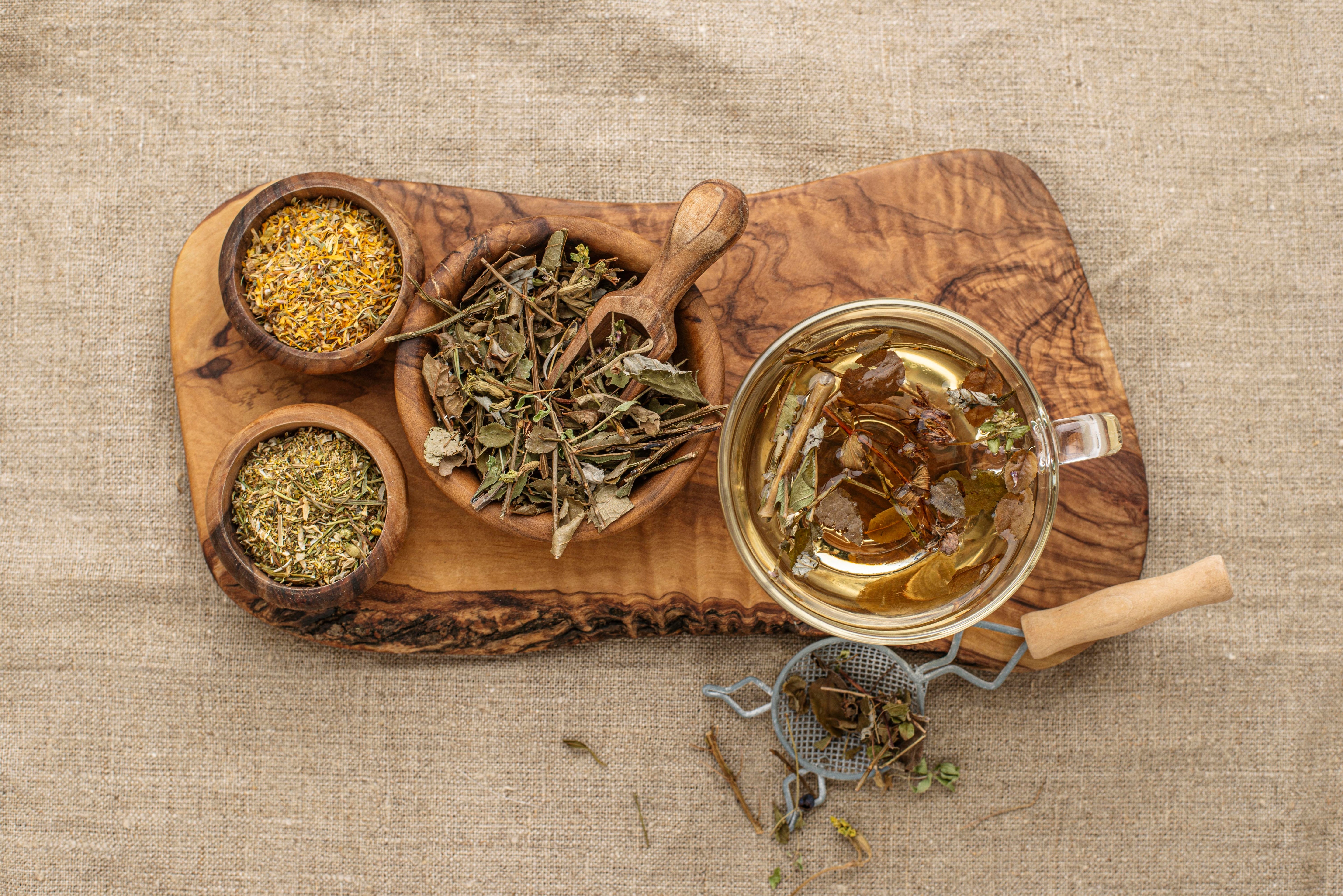
Pairing Tinctures With Teas for Balance
While tinctures provide targeted extraction, we often pair them with supportive herbal teas. Teas help:
• Support hydration and elimination
• Provide gentle mineral replenishment
• Encourage daily ritual and consistency
• Support lymphatic and kidney pathways
Together, tinctures and teas form a more balanced approach than either alone.
How We Apply This Philosophy
We choose alcohol-based tinctures when:
• The most active parts of the plant require alcohol to be properly extracted
• Targeted systemic support is required
• Bioavailability and consistency matter
• Precision and adjustability are important
This is why our parasite cleanse and liver-support formulas rely on alcohol extraction, often within bundled protocols that support the body as a whole rather than isolating one pathway.
→ Explore Parasite Cleanse Support
→ Learn About Liver & Detox Formulas
→ View Bundled Detox Protocols
How We Apply This Philosophy
We choose alcohol-based tinctures when:
• The most active parts of the plant require alcohol to be properly extracted
• Targeted systemic support is required
• Bioavailability and consistency matter
• Precision and adjustability are important
This is why our parasite cleanse and liver-support formulas rely on alcohol extraction, often within bundled protocols that support the body as a whole rather than isolating one pathway.
→ Explore Parasite Cleanse Support
→ Learn About Liver & Detox Formulas
→ View Bundled Detox Protocols
A Deeper Look at Alcohol vs. Glycerin Extractions
For those curious about alcohol-free herbal preparations and how they compare, we’ve written a separate article that explores glycerin vs. alcohol extraction methods, including why some formulas feel less effective depending on the solvent used.
→ Read: Glycerin vs. Alcohol Herbal Extractions
Final Thought
Herbal medicine works best when it honors both the plant and the body receiving it. Alcohol-based tinctures are not about intensity — they are about access, efficiency, and respect for how healing actually occurs. When herbs are prepared thoughtfully and used consistently, the body is given space to do what it already knows how to do.
Read more

Introduction You’ve finally committed to cleansing. You’re nourishing your body, taking your herbs, drinking plenty of water — and suddenly you feel worse. Your energy plummets, your skin flares, ...
Why the Solvent Matter More Than the Herb When choosing an herbal product, most people focus on the ingredient list. But in herbal medicine, the solvent used to extract those ingredients is just a...
Leave a comment
This site is protected by hCaptcha and the hCaptcha Privacy Policy and Terms of Service apply.